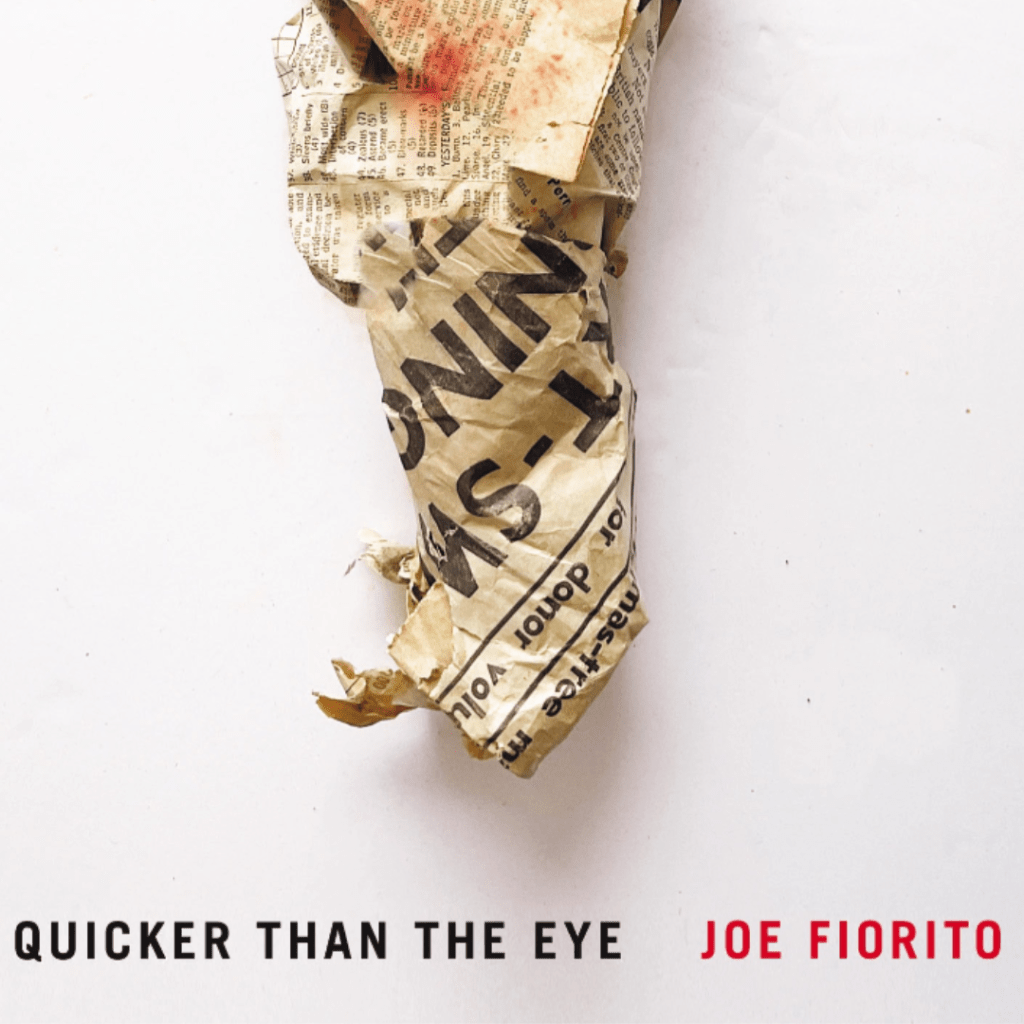
Review by Alex Boyd
The joke I’ve heard about Toronto goes like this: “How do you screw in a light bulb in Toronto? You just hold it, and the world revolves around you.” Clever, but as with all lazy, sweeping generalizations there are many exceptions. That conservatively dressed banker looking around from a Toronto street corner in the 1960s was Raymond Souster, described (in 15 Canadian Poets x 3) as “troubled by the impermanence of things,” and a believer “the artist is best employed as a recorder or photographer of the human condition at a particular moment in history,” aside from allowing a degree of entertainment.
And while this brief introduction to Souster goes on to suggest he diverts attention away from despair, I’m not so sure. I think readers of poetry generally find nourishment in efforts to be profound, and it would be more accurate to say Souster wasn’t afraid to blend accessibility with meaning, though maybe collecting small moments of meaning and significance is a good way to hold off despair, and a poet like Souster gave a degree of permanence to the sort of moment so frequently lost. After all, even poetry books are not forever.
I have a yellowing copy of So Far So Good (1969) with poems like “Junk Man on Front Street,” sitting alongside others: “Yonge Street Bar,” or “What the Camera Never Catches.” In its entirely, here’s “Good Dog Sam,” not the best poem in the book, but a good example:
Good Dog Sam
never plays favourites
especially in election year
spending equal wetting time
on the virginal posters
of both the Liberal
and Progressive-Conservative
York-Humber candidates.
There’s the slight glitch of a dog aiming that high, but whatever. Orwell always said if you exaggerate a little, it’s to make it a stronger piece of writing. Souster suggests universal ideas and grounds them in specific detail, even while capturing everyday life. Naturally, he wasn’t the only poet capturing city life in the 1960s, but I do think of him when reading various spiritual successors, too many to mention. I’m friends with Pino Coluccio who strolls around town trying different restaurants and either making observations for poems or taking photos. His last book Class Clown has titles like “A Toronto Bike Courier Foresees His Death,” but leaving aside city poems for a moment in favour of a universal quality here’s one I admire called “Love and Sleep:”
We talk of both as something
we fall into
and aren’t up for long
when we begin to
fall asleep and fall
in love again.
No one was around
when they began,
though sleep is older. Both
involve a bed.
And not enough of either
makes us sad.
Shallow and short, or long
and dreamy and deep:
these are the kinds of love
and the kinds of sleep.
Reading Quicker Than the Eye (Véhicule Press, 2023), it’s sometimes hard not to think of Joe Fiorito as another spiritual successor, though Fiorito often has an even more pared-down, haiku quality at times. The Toronto poems are there: “Streetcar Serenade,” and in particular, “The Oldest Man in Shelter,” reminded me of Souster, with lines like “Don Juan in thin / pin-striped pajamas.”
Certainly, “Vaccination,” (among the best poems in the book) and “Lockdown, Month Six,” help place the collection in a more specific time, even as “Attenborough Boogie-Woogie” skillfully uses a mere 19 words:
a seal’s
first thought:
shake free.

a second
thought: death
come for me.

orca’s thought:
how bountiful,
the sea.
Under the fake-out of a flippant title, we get a clever change in perspective and the reality of nature revealed, away from the so-called civilized world. I find a lot to appreciate in concise, potent poems that can’t be bothered being evasive. Fiorito takes enough imaginative leaps that I can’t entirely be sure “The Baby Brother,” is about his family, but it hardly matters. It’s another of the best poems in the book, and quite poignant, with strong detail to suggest it’s from his life:
He used to sleep all day.
I used to wonder why.
Now that I am older, I think
he knew he’d die.

After me in life, he was
ahead of me in many things:
music, love, rage,
cocaine,

cancer, liquor, meth.
He was ahead of me in death.
Had he lived, we’d have
talked late and long.

Now I ache. I can’t sleep.
I am wary of my drugs and
uncertain of my song.
I hold my breath.
I certainly don’t have everything by Souster at my disposal, but I think it’s fair to say some of his spiritual successors borrow his frankness while making more direct leaps into the personal. Much like Souster, Fiorito has some snapshot poems (like, “Her Windowsill”) and if a snapshot poem can seem a little more casual it’s not much of a valid complaint considering even these have a carefully crafted quality a reader can find delightful. I’ve never met Joe Fiorito, but I’m confident he doesn’t think the world revolves around him.
Alex Boyd published The Least Important Man (poetry) with Biblioasis and Army of the Brave and Accidental (a novel) with Nightwood Editions.

 The Woodlot
One response to “Quiet City: Quicker Than the Eye, by Joe Fiorito”
[…] reviewed Quicker Than the Eye by Joe Fiorito, and included mentions of a several other poets I admire and appreciate. The review is over at The […]
LikeLike