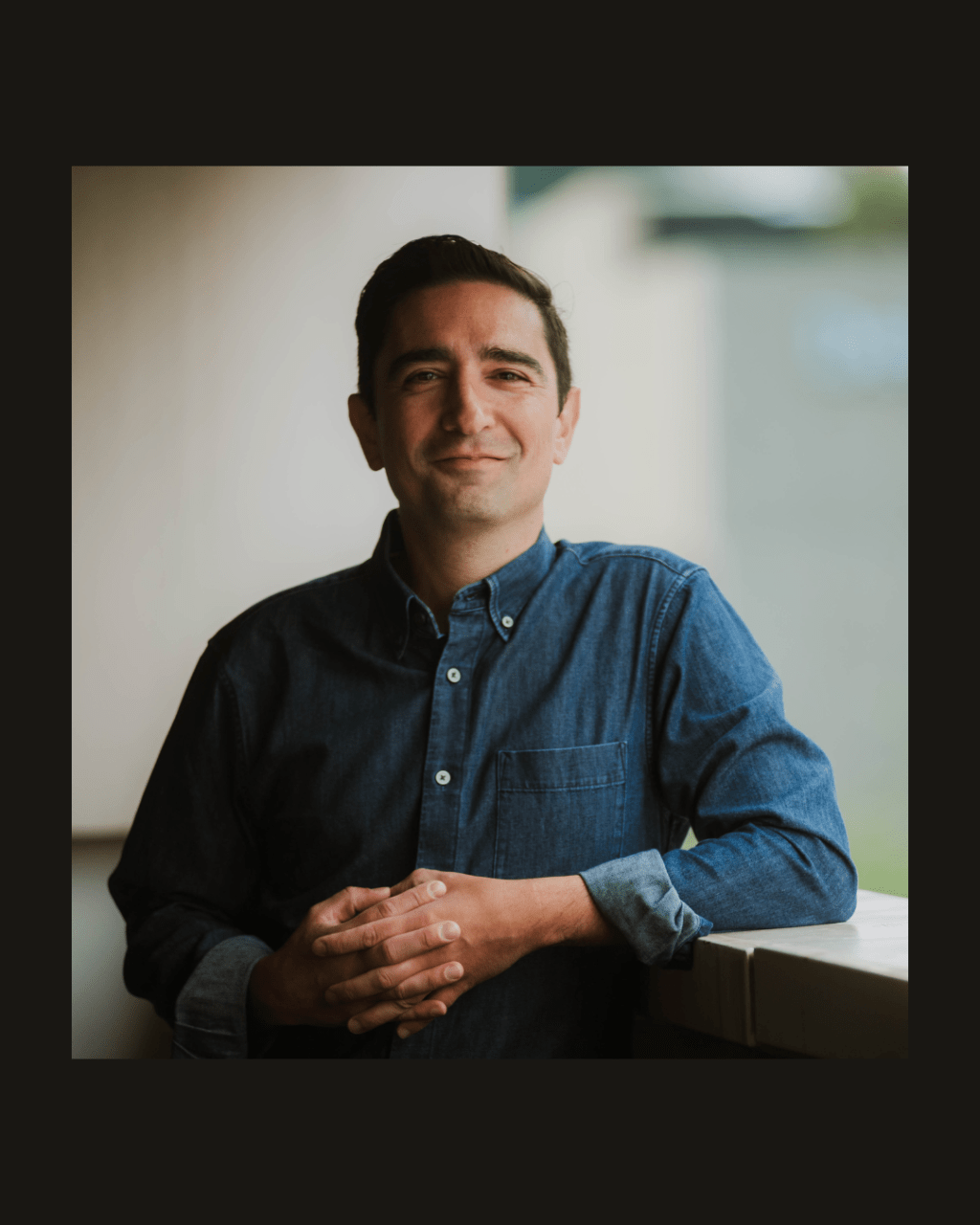
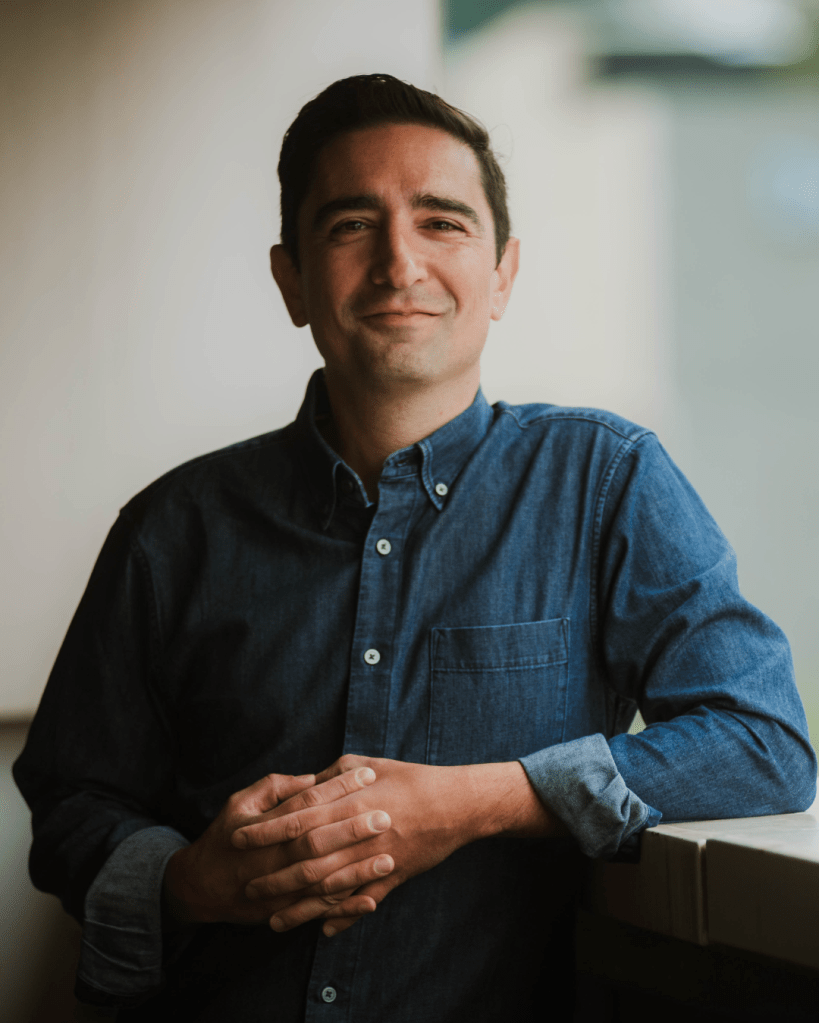
Interviewer Bronwen Adam talks with Canadian poet Marco Melfi about his poetry collection Routine Maintenance, out with Gaspereau Press!
Bronwen Adam: First, I would like to say congratulations on the publication of your first full-length poetry collection, Routine Maintenance! Your collection explores the cyclical nature of growth, and normalizes the need to readjust our expectations, as the title Routine Maintenance suggests. Why did you choose poetry to explore these ideas, and in your opinion, what advantages does poetry have over prose?
Marco Melfi: Thank you! I’m very grateful to Gaspereau Press for bringing the collection out. Poetry’s been my chosen genre for a long time (without the skills to sketch or a good voice to sing, poetry is stuck with me). One of its advantages is what it can express through imagery. While writing Routine Maintenance, I often thought of Carmine Starnino’s “Junk Yard” which opens with “Owning nothing, there is, I see today, a touch of those cars/about my life.” It is a towering sequence of scrapped and scratched cars and their parts. Thanks to the strength of its images and sounds, the poem’s themes resonate and linger. I was striving for something similar. The objects often came first, but I quickly realized how they could show cyclical themes or practice or upkeep.
BA: While we’re on this topic of objects, within your collection you have a subset of poems like “The Faulty Porch Light” and “Plaza Sign Down” that humanize objects that often go ignored or overlooked. Can you explain the writing process for one of these poems?
MM: I have tons of fun writing object poems. They offer rich visual details as well as unique vocabularies. Sometimes this involves skimming an appliance manual or a hardware store’s website. The objects I wrote about were ones I encountered daily––the porch light belonged to a house across the street from me, and the plaza sign was at a major intersection I’d pass. They found their way into my notebook and I kept returning to them.
BA: I’m curious about the internal dialogues these objects have in your poems. Are there any specific crafting steps you take to refine their “voices?”
MM: The idea to listen to what the objects might say came from The Writer’s Studio class (through Simon Fraser University) I took. One week, our poetry mentor, Kayla Czaga, assigned Ken Babstock’s poem, “The 7-Eleven Formerly Known as Rx,” Raoul Fernandes’s “Automatic Teller” and Souvankham Thammavongsa’s “Mister Snuffleupagus” to read as well as an object writing prompt. Since then, whenever I write an object poem, I’ll work through different points of view: one that talks about the object, another where the object does the talking.
BA: I’ve noticed that this hybridity you’ve struck between the industrial and the organic is also present in your imagery. My favourite example of this is in your poem “10 Things” where you compare “ants in amber” to the “black dashes of mold” encased in bathtub caulking. Did you intentionally seek to blend the organic and inorganic qualities of your environment in this way, or did this pattern emerge…organically (ha-ha)?
MM: Thank you for sharing that! They emerged organically (ha!). I was partially looking for a fresh image, comparison and, in this example, something that might give a small shudder. But I’m equally listening for what would sound good––alliteration, assonance, syllables or more. If the sounds don’t work or don’t pop, I’ll modify or find another image.
BA: Your collection seems to resist the culture of comparison running rampant in our digital age. When people online are more likely to exclusively share the “extraordinary” moments of their lives, you are making art out of the everyday, and often not so glamorous, circumstances that are most people’s realities. Was this counter-narrative an intentional message in your work?
MM: To some extent, yes. Though my main intention was to depict objects or scenes that I was intrigued by in relatable or tangible ways. While I’m online to write, edit, research and submit poems (or to access the other benefits of our digital society), the act of poetry also feels like a counter or “break” from being online. Whether that’s reading physical books, penning first drafts in my notebook, or regularly walking and often ruminating on a metaphor or stanza, I crave that offline time.
BA: In an interview with Stephanie Swensrude for Taproot Edmonton, you touched on the topic of creating a relatable environment within your poems using urban artifacts. Where does this passion for establishing a collective identity within an urbanized setting stem from? Has it always been a source of inspiration for your writing?
MM: Yes, urbanized settings have long been a source of inspiration for me. It began in Hamilton taking the bus to university, downtown to visit my grandparents, or up the mountain to my rec centre job. I observed the varying eras of buildings, the storefronts and street life. I carried this interest to other places I’ve lived and eventually to Edmonton. It’s fun to draw from the urban context and I hope the “artifacts” help invite readers into a poem––whether they recognize the specific locale or they just imagine it. I appreciated how Stephanie from Taproot and others have caught or connected to these scenes.
BA: One thing that always intrigues me about Canadian literature is how it varies significantly between provinces, and even cities, regarding how authors interact with their sense of place. What attributes would you say give Edmonton its unique literary voice, and how does your collection align with, or diverge from, this identity?
MM: Edmonton has so many hardworking writers, presses and publishers, indie bookstores, literary festivals, community-led open stages and organizations supporting writers (not to mention the wider arts scene). There is a lot to be exposed to and absorb. Living here, I feel lucky to be part of, create in and contribute to this community. Like other poets––Tim Bowling and Wendy McGrath come to mind––I’ve been drawn to feature aspects of the place I’m in, those urban artifacts, informal landmarks, signage or sounds, into my poems.
BA: Now that you have published Routine Maintenance, what’s next for you? Do you have any specific goals in mind, or a project that you are currently working on?
MM: I’ve been savouring this period following the release of Routine Maintenance––reading from it at events in Edmonton and Hamilton, sharing the news with friends and family and talking about the poems with fellow writers like yourself. It’s been a special time. But before its release and since, I’ve been drafting new pieces, energized by new themes from food to photographs, for a possible second collection.

______________________________________________________________________________________________________
Marco Melfi won The Fiddlehead’s 2021 Ralph Gustafson Prize and has had poems published in Arc Poetry Magazine, EVENT, The Literary Review of Canada, PRISM, The New Quarterly, and Prairie Fire. His debut poetry collection, Routine Maintenance, was published in 2025 by Gaspereau Press. He lives in Edmonton on Treaty 6 Territory.
Bronwen Adam is an English undergraduate student at the University of the Fraser Valley. She lives in Chilliwack, B.C., on the unceded territory of the Stó:lō Coast Salish Peoples with her partner and their two cats, Juniper and Rhubarb.
 The Woodlot